Source Recyclable Aluminum Foil Ziplock Bag for Food, Medical, and Gift
Compare 30 listings for recyclable aluminum foil ziplock bag options from verified Chinese manufacturers. Buyers can evaluate material layers, customization, and pricing for food, medical, and cosmetic packaging needs; compare the available evidence and request quotations based on your requirements.
Key considerations
Products List


Comprehensive Sourcing Guide
Recyclable Aluminum Foil Ziplock Bag Sourcing Guide
Sourcing recyclable aluminum foil ziplock bags requires a nuanced understanding of multi-layer material structures and end-of-life processing capabilities. Buyers must distinguish between pure aluminum foil laminates and composite structures that incorporate plastic layers such as PET, NY, or PE. While the core material is aluminum foil, the presence of additional polymers significantly impacts recyclability. Procurement teams should verify whether the bag structure allows for easy separation of layers or if it is designed for industrial composting or specific recycling streams. The term "recyclable" often refers to the potential for recovery rather than universal acceptability in all municipal systems.
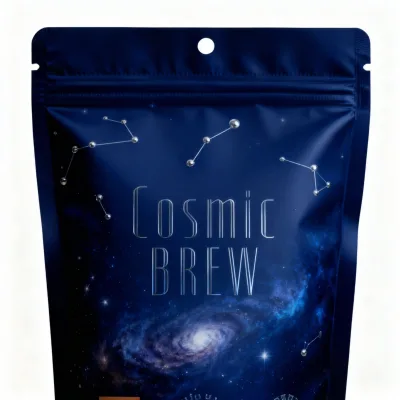
The visual and functional attributes of these bags, such as opacity and softness, indicate the presence of aluminum layers which provide essential barrier properties against moisture, light, and oxygen. These characteristics are critical for preserving the integrity of sensitive products like coffee, pharmaceuticals, or cosmetics. Buyers should note that while the bags are described as disposable, their recyclability depends heavily on local infrastructure and the specific material composition declared by the supplier. Understanding the trade-off between barrier performance and environmental impact is essential for aligning packaging choices with corporate sustainability goals and regulatory requirements in target markets.
Product Scope and Observed Listing Signals
The observed market signals indicate a wide range of product models, including hvab014, hvab013, hvab002, SUP-01, and ZP, suggesting diverse applications from stationery to medical packaging. Listings frequently highlight features such as moisture proofing, heat seal capabilities, and customization options for logos and colors up to ten shades. The material composition often involves complex laminates like Pet/Al/PE or Pet/Ny/Al/CPP, which are engineered for specific industrial uses including food and cosmetic packaging. These signals point to a highly customizable product category where buyers can tailor dimensions, sealing methods, and print quality to meet precise branding and functional needs.
Price ranges and minimum order quantities (MOQs) vary significantly, with observed prices starting as low as $0.01 and reaching up to $3500, while MOQs span from 3 to 1,000,000 units. This variance reflects the difference between sample orders, small batch customizations, and large-scale industrial production runs. Buyers should interpret these ranges as indicative of the flexibility available in the supply chain rather than fixed pricing structures. The availability of custom sizes and designs further supports the notion that this is a made-to-order market segment. Understanding these signals helps buyers anticipate the scale of investment required for initial trials versus long-term supply agreements.
Technical Specifications to Verify
Verifying the layered structure is paramount, as bags may consist of basic level BOPP, functional aluminum layers, or EVA heat seal components. Buyers must confirm the exact material stack, such as PET/AL/PE or PET/NY/AL/CPP, to ensure adequate barrier protection against moisture and oxygen. The transparency is typically opaque due to the aluminum content, which is crucial for light-sensitive products. Additionally, the hardness is generally soft, allowing for easy handling and filling. It is essential to validate that the heat seal integrity meets the requirements for the specific product being packaged, ensuring that the seal does not fail during transit or storage.
Sealing methods and bag shapes also require careful verification. Most listings indicate flat bag packaging or upright bag varieties, with heat seal being the primary sealing mechanism. Buyers should specify whether a ziplock closure is required, as this adds complexity to the manufacturing process and may affect recyclability. The printing process is often gravure, allowing for high-quality, multi-color designs. However, buyers must ensure that the inks and adhesives used in the lamination process do not compromise the recyclability claims or introduce harmful substances into the recycling stream. Clear specifications prevent mismatches between supplier output and buyer expectations.
Compliance and Safety Documentation
Compliance documentation is critical for food, medical, and cosmetic packaging applications. Buyers should request certificates such as BRC and ISO, which indicate adherence to quality management and food safety standards. While ISO 9001:2000 and ISO14001:2004 are mentioned in background data, buyers must verify current certification status and scope. For food contact applications, additional documentation proving compliance with local regulations, such as FDA or EU standards, may be necessary. The supplier’s ability to provide material safety data sheets (MSDS) and migration test results is essential to ensure that no harmful substances leach into the packaged goods.
Standardization also extends to the manufacturing process and product origin. Many suppliers are located in Qingdao or Guangdong, China, and may offer customized standards according to customer requirements. Buyers should ensure that the supplier’s quality management system includes rigorous testing for seal strength, barrier properties, and print adhesion. The production standard should be clearly defined, whether it is a generic aluminum foil standard or a specific custom requirement. Transparent documentation helps mitigate risks associated with regulatory non-compliance and ensures that the packaging meets the legal requirements of the destination market.
Cost Drivers and Commercial Terms
Cost drivers for recyclable aluminum foil ziplock bags include material complexity, printing requirements, and order volume. The use of multiple layers, such as PET, NY, and PE, along with aluminum, increases material costs compared to single-layer plastic bags. Gravure printing, especially with up to ten colors, adds significant expense due to plate costs and setup time. Customization of size, logo, and bag shape further influences pricing. Buyers should negotiate based on total volume and long-term commitments to secure better rates, as MOQs can range widely from small trial orders to massive industrial quantities.
Commercial terms often include CIF or FOB Jiangmen, with delivery times ranging from 18 to 25 days depending on quantity. Packaging is typically done in paper cartons with inner plastic bags, or PE bags on pallets, which affects shipping efficiency and cost. Buyers must consider freight costs, insurance, and potential tariffs when evaluating the total landed cost. The price term should be clearly defined in the contract to avoid disputes over responsibility for shipping and insurance. Understanding these commercial dynamics allows buyers to budget accurately and plan inventory levels effectively, ensuring a smooth supply chain operation.
Supplier Qualification and Quality Control
Supplier qualification involves assessing manufacturing capabilities, quality control processes, and past performance. Buyers should verify the supplier’s production capacity and lead times to ensure they can meet demand peaks. Quality control measures should include in-process inspections for material consistency, seal integrity, and print quality. Suppliers with BRC and ISO certifications typically have more robust quality management systems. Buyers may also request samples to test the bag’s performance under real-world conditions, including storage and transportation scenarios. Establishing a clear communication channel for feedback and issue resolution is vital for maintaining product quality.
Long-term partnerships often require regular audits and performance reviews. Buyers should define key performance indicators (KPIs) such as defect rates, on-time delivery, and responsiveness to custom requests. The supplier’s ability to handle custom orders and adapt to changing design requirements is a valuable asset. Buyers should also consider the supplier’s commitment to sustainability and their ability to provide recyclable or eco-friendly packaging solutions. Building a relationship based on transparency and mutual benefit ensures a stable supply of high-quality packaging materials that support the buyer’s brand and operational needs.
Long-Term Procurement Checks
Long-term procurement checks focus on sustainability trends, regulatory changes, and supply chain resilience. Buyers should monitor developments in recycling infrastructure and technology that may affect the recyclability of aluminum foil composite bags. Staying informed about new regulations regarding single-use plastics and packaging waste is essential for future-proofing procurement strategies. Buyers should also evaluate the supplier’s ability to innovate and offer new materials or designs that align with evolving environmental standards. Regularly reviewing supplier performance and market conditions helps identify opportunities for cost savings and risk mitigation.
Supply chain resilience involves diversifying suppliers and maintaining safety stock for critical packaging materials. Buyers should assess the geopolitical and logistical risks associated with sourcing from specific regions, such as China. Building relationships with multiple suppliers can reduce dependency on a single source and provide flexibility in case of disruptions. Additionally, buyers should consider the total cost of ownership, including waste disposal costs and brand reputation impacts associated with packaging choices. By proactively managing these factors, buyers can ensure a sustainable, efficient, and compliant packaging supply chain that supports their business objectives.
FAQs
What materials are used for these aluminum foil bags?
These bags use aluminum foil combined with layers like PET, NY, and PE. The structure includes a functional aluminum layer for barrier protection. This composite design ensures durability while maintaining the recyclable nature of the primary material for various packaging needs.
Can I customize the size and logo on these bags?
Yes, customization is available for both size and logo. You can request specific dimensions and have your logo printed using gravure printing. The design depends on your demand, allowing for up to ten colors to match your brand identity perfectly.
What certifications do these manufacturers hold for food safety?
Manufacturers hold BRC and ISO certifications to ensure food safety standards. These credentials verify that the production processes meet international requirements for hygiene and quality. This makes the bags suitable for food, medical, and cosmetic packaging applications globally.
How long is the delivery time for custom orders?
The delivery time ranges from 18 to 25 days depending on the quantity ordered. This lead time accounts for the customization process and production scheduling. Buyers should plan their inventory accordingly to ensure timely receipt of their specific packaging requirements.
What are the minimum order quantities for these bags?
Minimum order quantities vary significantly, ranging from 3 to 1,000,000 units. This flexibility allows small businesses and large enterprises to source suitable quantities. The specific MOQ depends on the product model and customization level requested by the buyer.
Where are these aluminum foil bags manufactured?
These bags are manufactured in China, specifically in Qingdao and Guangdong regions. The origin ensures access to established supply chains for composite packaging materials. Buyers can expect competitive pricing terms like CIF or FOB Jiangmen for international shipments.
Are these bags suitable for sealing and heat applications?
Yes, the bags feature heat seal capabilities using EVA materials for secure closure. They are designed as seal bags with flat bag packaging methods. This ensures the contents remain protected against moisture and other environmental factors during storage and transport.